
The Pros and cons of Warehousing
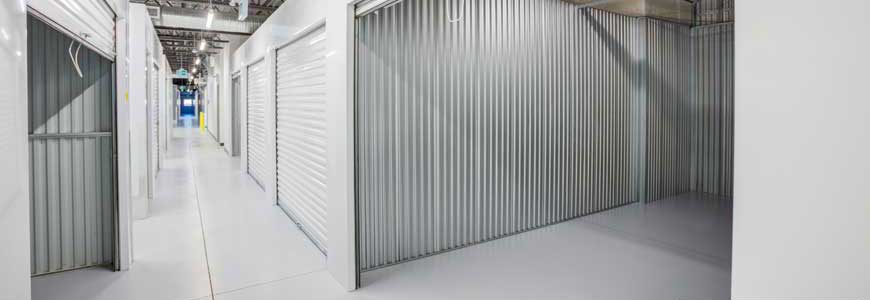
Warehousing plays a crucial role in supply chain management, but it also comes with its own set of advantages and disadvantages. In this blog, we will explore the pros and cons of warehousing to help businesses make informed decisions about incorporating warehousing into their operations.
Pros of Warehousing:
- Inventory Management: Warehousing provides a dedicated space for storing goods, allowing businesses to maintain adequate inventory levels and meet customer demands efficiently.
- Order Fulfillment: With goods stored in a centralized location, warehousing enables quick and accurate order processing, reducing lead times and improving customer satisfaction.
- Seasonal Demand Management: Warehousing allows businesses to handle fluctuations in demand, particularly during peak seasons, by storing excess inventory and ensuring product availability.
- Economies of Scale: Warehousing enables businesses to take advantage of economies of scale by storing inventory in bulk, reducing per-unit costs and optimizing transportation expenses.
- Consolidation and Cross-Docking: Warehousing facilitates consolidation of goods from different suppliers and cross-docking operations, minimizing handling and transportation costs.
- Packaging and Labeling: Warehousing can offer value-added services such as packaging, labeling, and kitting, saving time and resources for businesses.
- Product Customization: Warehousing facilities can accommodate product customization, allowing businesses to tailor products to meet specific customer requirements.
- Inventory Security: Warehousing provides a controlled environment with security measures in place, protecting goods from theft, damage, and unauthorized access.
- Contingency Planning: Warehousing allows businesses to store safety stock, enabling them to respond to unexpected events, supply chain disruptions, or delays.
- Costs: Establishing and maintaining a warehouse incurs expenses such as rent, utilities, labor, and equipment. Businesses need to carefully evaluate the cost implications.
- Inventory Obsolescence: Storing inventory for an extended period increases the risk of product obsolescence, particularly in industries with rapidly changing trends or short product lifecycles.
Cost Optimization:
Value-Added Services:
Risk Management:
Cons of Warehousing:
Related Blogs
The Benefits of Climate-Controlled Storage
Climate-controlled storage refers to the practice of storing products within a specific temperature range to ensure that they remain in optimal condition. This type of storage is particularly important for temperature-sensitive products, such as pharmaceuticals, food, and electronics, which can be damaged by exposure to extreme temperatures.
Read More
THE IMPORTANCE OF WAREHOUSE SECURITY
Last-mile delivery, the final leg of the delivery process from a distribution center to the end customer's doorstep, has become increasingly crucial in the e-commerce era. In this blog, we will explore the latest trends in last-mile delivery, the challenges that arise, and the innovative solutions that address them.
Read More
Trends in Last-Mile Delivery: Challenges and Solutions
Our cargo service provides reliable and cost-effective transportation of goods, whether by air, sea, or ground. We offer a range of cargo transportation options to meet your specific needs, including express delivery, full-container load (FCL), less-than-container load (LCL), and intermodal transportation.
Read More